
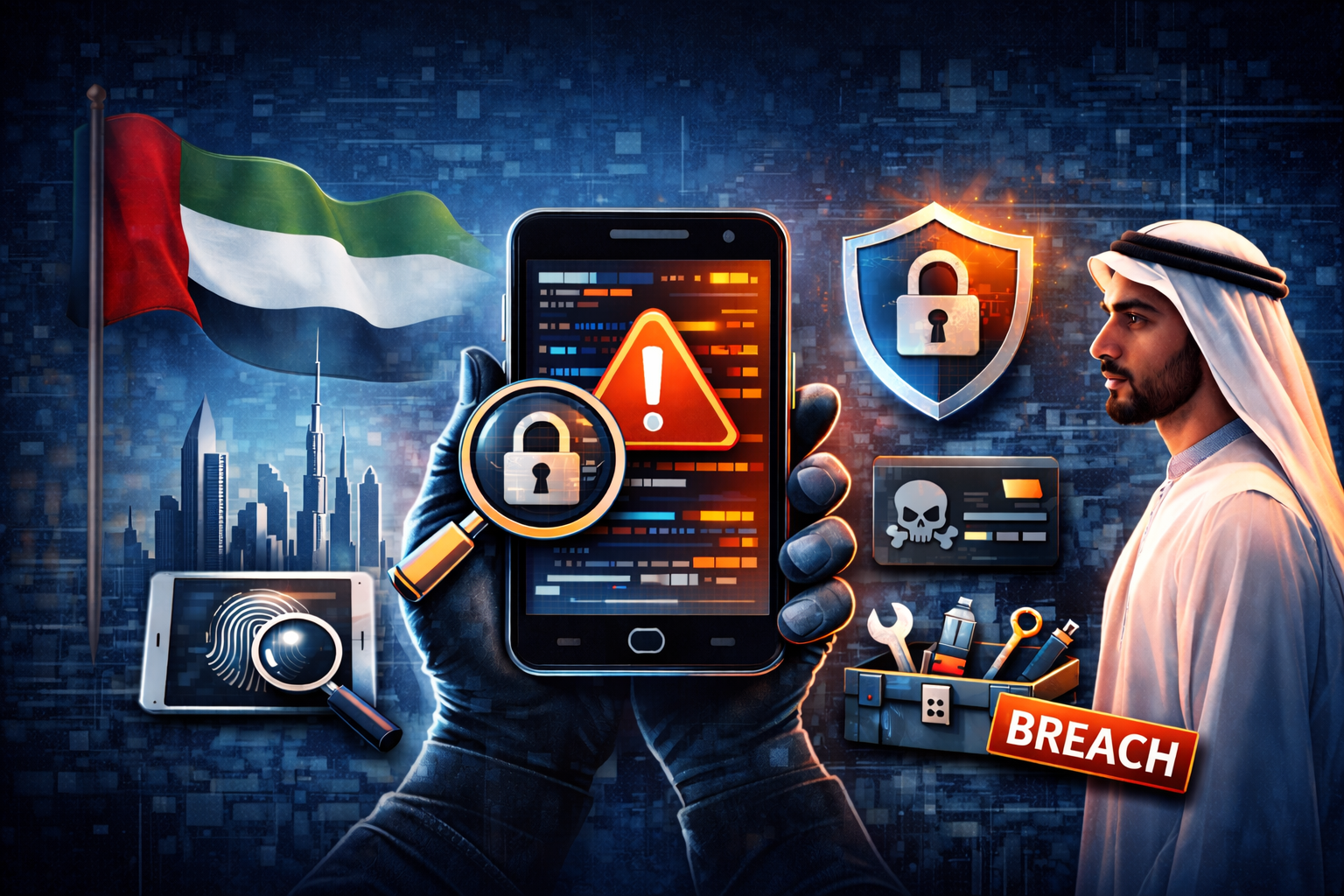
Mobile App Security Testing for UAE Banks and Fintech Companies
Estimated reading time: 7 minutes
- Understanding the compliance landscape is crucial for data security.
- Identifying key mobile app security challenges for fintech companies.
- Implementing effective security testing strategies and best practices.
- Ongoing threat mitigation is vital for maintaining user trust.
- Expert assistance is available for comprehensive security solutions.
Table of Contents
- Understanding the Compliance Landscape in the UAE
- Key Mobile App Security Challenges for UAE Fintech Companies
- Implementing Effective Mobile App Security Testing
- Incorporating Best Practices for Mobile App Security
- Real-world Impacts: A Case Study
- Ongoing Threat Mitigation Strategies
- Conclusion
- FAQ
Understanding the Compliance Landscape in the UAE
The UAE has established a robust legal framework to safeguard data privacy and security, which is critical for financial institutions. Key regulations include:
- Personal Data Protection Law (PDPL): Enforces strict rules on data handling, applicable to all businesses operating in the UAE.
- Central Bank of the UAE Regulations: Mandates regular security audits and assessments for financial institutions, ensuring compliance with best practices.
- ADGM and DIFC Guidelines: Provide structured approaches to cybersecurity, particularly for fintech firms based in these zones.
Financial institutions must comply with these regulations to avoid hefty fines and ensure customer trust.
Key Mobile App Security Challenges for UAE Fintech Companies
As mobile fintech solutions gain popularity, several security risks increasingly impact these applications:
- Data Breaches: Unauthorized access to sensitive information can lead to significant financial losses.
- Insecure Data Storage: Storing data without proper encryption makes apps vulnerable to attacks.
- Inadequate Authentication Measures: Weak authentication can result in unauthorized access to accounts.
- Third-party Libraries: Relying on third-party SDKs without thorough auditing can introduce vulnerabilities.
Implementing Effective Mobile App Security Testing
Mobile app security testing should encompass several strategies tailored to the unique needs of UAE banks and fintech companies:
1. Static and Dynamic Application Security Testing (SAST & DAST)
Adopting both SAST and DAST methods helps identify vulnerabilities early in the development lifecycle. While SAST focuses on the code itself, DAST simulates attacks on a running application to uncover potential weaknesses.
2. Penetration Testing
Regular penetration testing is crucial for uncovering security flaws before malicious actors can exploit them. Certified auditors should conduct these tests, simulating real-world attacks to evaluate app resilience.
3. Code Obfuscation
To prevent reverse engineering, implementing code obfuscation, especially for Android apps, is essential. This technique makes it challenging for attackers to understand the app’s inner workings, thereby enhancing security.
Incorporating Best Practices for Mobile App Security
To ensure the effectiveness of security measures, UAE fintech companies should follow established best practices:
- Encryption: Use strong encryption methodologies such as AES-256 to safeguard sensitive data.
- Two-Factor Authentication: Implement multi-factor authentication to enhance user security.
- Regular Updates and Patch Management: Keeping the app updated helps address vulnerabilities and improve security continuously.
Ongoing Threat Mitigation Strategies
UAE banks and fintech companies should adopt a proactive approach to threat mitigation:
- Continuous Monitoring: Regularly monitor apps for unusual activities to detect potential breaches in real-time.
- User Education: Teach users about safe practices when using mobile banking apps, including recognizing phishing attempts.
Conclusion
As mobile banking and financial technology continue to evolve in the UAE, prioritizing mobile app security is not just an option; it is a necessity. By implementing comprehensive security testing and adhering to compliance regulations, UAE banks and fintech companies can protect sensitive data, maintain customer trust, and thrive in a competitive environment.
FAQ
What are the key compliance regulations for mobile app security in the UAE?
The Personal Data Protection Law (PDPL) and Central Bank regulations mandate strict security standards for data handling.
Why is penetration testing important for fintech companies?
Penetration testing helps identify vulnerabilities before they can be exploited by malicious actors, safeguarding sensitive data.
How can banks secure their mobile applications against breaches?
By implementing SAST and DAST, regular updates, encryption, and user education, banks can greatly enhance their app security.
Get Expert Help with Mobile App Security
At Saaiye Information Technology Consultancy, we specialize in providing tailored cybersecurity solutions, including penetration testing, vulnerability assessments, and comprehensive security audits for banks and fintech companies in the UAE. Contact us today to ensure your mobile app is secure!
At Saaiye Information Technology Consultancy, we provide a comprehensive range of information security services, including, , , and . Our expertise ensures your business meets regulatory standards while providing robust protection for your data. Contact us today to get started!