
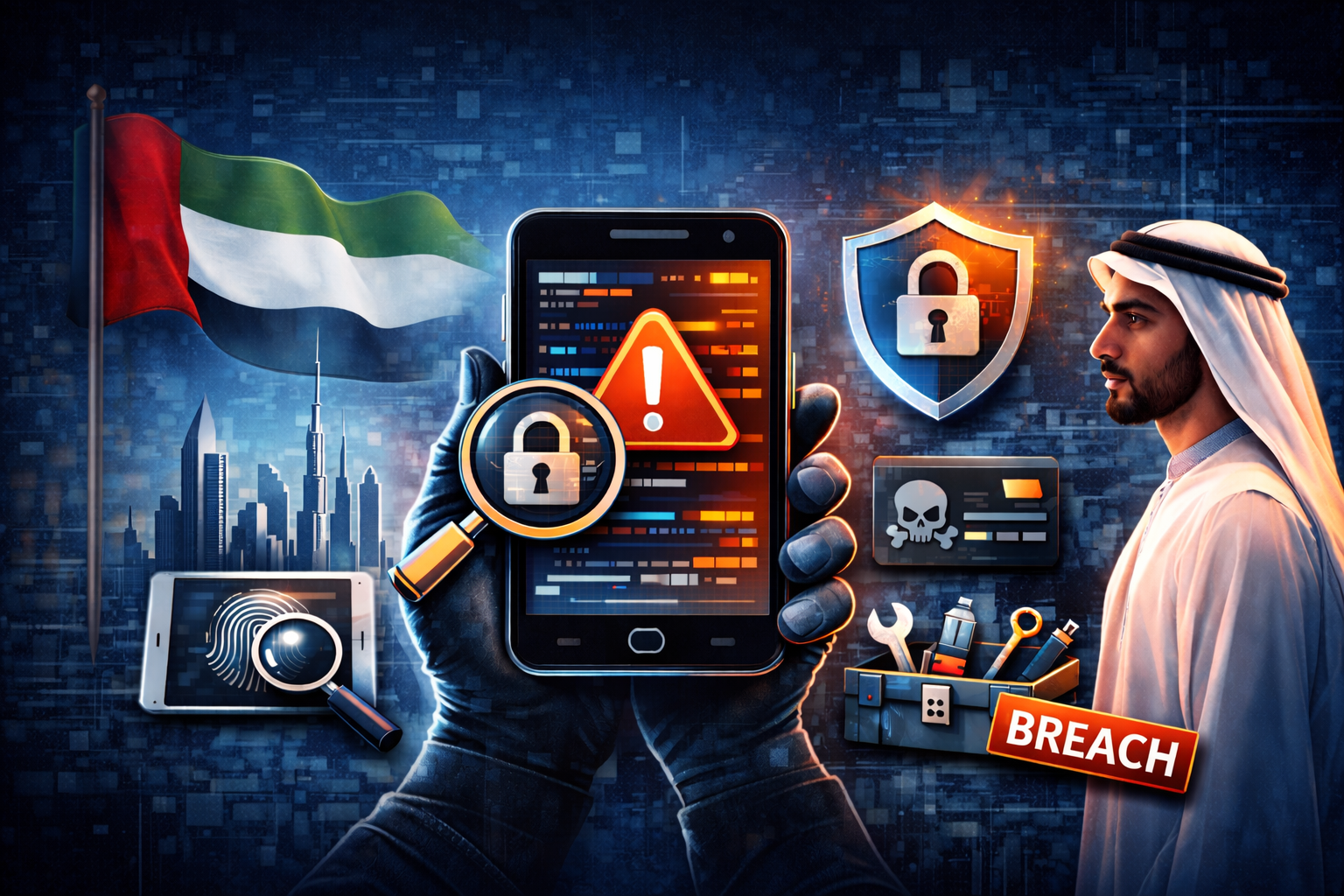
Mobile App Security Requirements for UAE Financial Institutions
Estimated reading time: 7–9 minutes
- Understanding the stringent security measures set by the Central Bank of the UAE.
- The importance of strong identity verification and authentication methods.
- Compliance with broader UAE cybersecurity regulations beyond banking.
- Best practices for securing mobile banking applications.
- Frequently asked questions regarding mobile app security.
Table of Contents
- Overview of Key Security Regulations in the UAE
- Central Bank of UAE Mobile App Security Mandates
- Compliance with UAE Cybersecurity Standards
- Best Practices for Securing Mobile Banking Applications
- FAQ
- Conclusion
- Get Expert Help with Your Cybersecurity Needs
Overview of Key Security Regulations in the UAE
The mobile app security framework for financial institutions in the UAE is influenced by three primary regulatory aspects:
- Central Bank of the UAE (CBUAE) Authentication and Fraud-Control Mandates: These directives provide specific guidelines for secure transaction processing and customer authentication.
- UAE-Wide Cyber and Data Protection Laws: Laws such as the Personal Data Protection Law (PDPL) and telecom/cyber standards set the groundwork for protecting user data across all digital platforms.
- Sectoral Data Regulations: Further regulations target financial services specifically, ensuring a heightened level of security for banking applications.
Central Bank of UAE Mobile App Security Mandates
The CBUAE has outlined several key requirements that all financial institutions must implement in their mobile applications. Below are the core mandates:
1. Prohibition of Weak Authentication Methods
Financial institutions (FIs) are strictly prohibited from using weak authentication methods like SMS OTP, email OTP, or static passwords as the only means for account provisioning and financial transactions. This mandate is crucial for preventing unauthorized access and fraudulent activities.
2. Mandatory Strong Identity Verification during Onboarding
For first-time access to devices and bank accounts, financial institutions must implement strong identity verification methods such as the Emirates Face Recognition. This ties into the UAE’s digital ID ecosystem, reinforcing security from the outset.
3. Secure Recurring Login Protocols
For users accessing their accounts from trusted devices, recurring logins can use:
- Static PINs
- Device-native biometrics (fingerprints, Face ID, etc.)
These methods add an additional layer of security for returning users.
4. Out-of-Band Confirmation for Online Banking
To enhance security for online banking transactions, customers must approve actions initiated through their mobile banking applications or a secure soft token app. This mechanism serves as a secondary confirmation channel, mitigating risks associated with phishing and other cyber threats.
5. Restrictions on Weak Two-Factor Authentication (2FA)
The Central Bank has emphasized the importance of strong authentication protocols. Financial institutions cannot rely on weak forms of two-factor authentication, such as SMS or email OTPs. Instead, they must employ robust alternatives such as:
- In-app verification
- Soft tokens
- Tap to authenticate methods
- Biometric authentication
6. Fraud Liability Clarifications on 3D Secure Transactions
FIs will now bear the responsibility for any fraud occurring during 3D Secure transactions if SMS OTPs were employed. This underscores the importance of transitioning to secure in-app approval methods for card-not-present transactions.
7. Encouragement of Biometric and Behavioral Authentication
In line with global trends, the CBUAE is encouraging the adoption of biometric and behavioral authentication techniques. Implementing such systems not only enhances security but also improves user experience.
Compliance with UAE Cybersecurity Standards
Beyond the requirements set by the CBUAE, financial institutions must align their mobile applications with broader cybersecurity laws applicable in the UAE, including the PDPL and regulations specific to the Dubai International Financial Centre (DIFC) and Abu Dhabi Global Market (ADGM). Understanding and implementing these standards is vital for protecting user data and maintaining regulatory compliance.
Best Practices for Securing Mobile Banking Applications
To ensure compliance with the CBUAE and to enhance overall security, consider the following best practices:
- Conduct regular penetration testing and vulnerability assessments to identify and address potential threats.
- Implement continuous monitoring and incident response strategies.
- Train staff regularly on cybersecurity awareness and best practices.
FAQ
What are the penalties for non-compliance with CBUAE mobile app security requirements?
Non-compliance with CBUAE mandates can lead to heavy fines, restrictions on operations, and potential legal liabilities. Ensuring adherence is not only about avoiding penalties but also about protecting customer trust and maintaining operational integrity.
How can financial institutions implement biometric authentication effectively?
To effectively implement biometric authentication, financial institutions should invest in trusted biometric technologies and integrate them into their existing security frameworks. They should also conduct user training to familiarize customers with the new authentication methods.
What role does user education play in mobile app security?
User education is crucial in mobile app security. By informing users about secure practices and potential threats, financial institutions can reduce the risk of social engineering attacks and enhance the overall security of their apps.
Conclusion
As mobile banking continues to gain traction in the UAE, the importance of adhering to robust security standards cannot be overstated. The CBUAE directives represent a significant step towards ensuring secure banking experiences for users. By implementing the measures highlighted in this guide, financial institutions can better protect their customers and their reputations in the competitive financial landscape.
Get Expert Help with Your Cybersecurity Needs
At Saaiye Information Technology Consultancy, we specialize in offering comprehensive cybersecurity solutions, including penetration testing, vulnerability assessments, and network security services. Connect with us to ensure your mobile applications not only comply with the latest regulations but also provide a secure experience for your users.